
How to Control Construction Costs Without Compromising Quality: 12 Practical Strategies
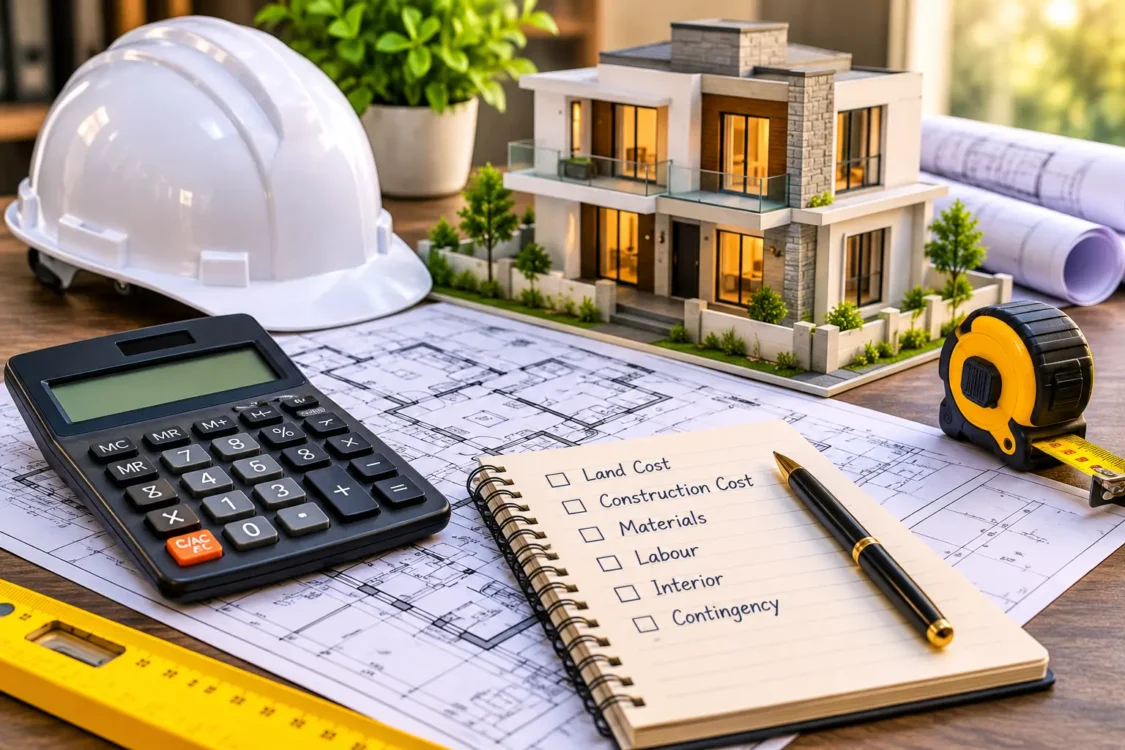
Rising prices of cement, steel, labour and fuel make every homeowner nervous about construction budgets. You cannot control the market, but you can control many of the decisions that decide whether your project finishes close to the plan or far above it. Most budget overruns come not from one big mistake but from many small ones: unclear scope, design changes, rushed purchases, weak planning and poor supervision.
This guide presents twelve practical strategies to manage costs without sacrificing the quality and safety of your building. Prices change constantly, so always request current written estimates from your builder or suppliers rather than relying on old figures.
Key takeaways
- Most overruns come from late design changes, unclear scope and poor planning.
- Fix specifications in writing and compare quotes line by line.
- Keep a contingency reserve and approve every variation before work begins.
- Save on finishing choices and phasing, never on foundation, steel quality or concrete.
- Link payments to completed work and verify progress.
1. Finalise the design before construction starts
Changing a drawing costs almost nothing. Changing a built wall, moving a plumbing line or enlarging a window after plaster costs money, time and wasted materials. Take extra weeks in the design stage to review room sizes, electrical points, kitchen layout, staircase position and elevation details. Ask yourself how your family will actually live in each space.
2. Write a detailed specification
A specification lists the materials, brands, grades and finishing standards that will be used. Without it, quotes cannot be compared and disputes become likely. Include cement type, steel grade, brick or block type, tile quality, paint brand and finish, sanitary ware, doors, windows, switches, wiring and any special items.
3. Compare quotes line by line
Two quotes can look similar but differ in scope. Create a simple table comparing included items, exclusions, material specifications and payment terms. If one quote is far lower, ask what has been left out or reduced. A transparent builder can explain every difference.
4. Ask for a bill of quantities
A bill of quantities breaks the project into measurable items with quantities and rates. It makes costs visible, helps you spot errors and provides a clear base for pricing changes later. It also lets you see where savings are realistic.
5. Choose an efficient design
Cost is strongly influenced by shape and complexity. Simple rectangular layouts, regular column grids, compact plumbing clusters and repeated floor plans are cheaper to build than irregular shapes, long cantilevers, unusual curves and heavy decorative elements. A good designer can achieve a premium look with clean lines at reasonable cost.
6. Prioritise structure; economise on decoration
If you must reduce the budget, trim finishing and decoration, not safety or structure. Never compromise on:
- Foundation design and quality
- Correct steel grade, diameter and placement
- Concrete quality, mixing and curing
- Waterproofing of roofs and wet areas
- Basic electrical safety, earthing and wiring quality
You can upgrade tiles, light fittings, wardrobes, false ceilings and landscaping later. You cannot easily fix a weak structure.
7. Phase the project sensibly
If funds are limited, plan phases intentionally: complete the structure and essential services first, then finish rooms gradually. Make sure that the design supports phasing, for example by installing conduits and pipes for future finishing. Avoid leaving the building exposed for years, which can cause weather damage.
8. Buy and schedule materials wisely
- Order key materials in good time to avoid rush pricing or shortages
- Check quality and quantity on delivery
- Store cement, steel and sand properly to prevent damage
- Avoid over-ordering, which wastes money, and under-ordering, which delays work
- Ask your builder how materials are sourced and billed
9. Keep a contingency fund
Unexpected items happen in almost every project: soil conditions, price changes, minor design modifications or hidden defects in existing structures. A contingency reserve prevents panic decisions or abandoned work. Many owners set aside an additional percentage of the budget; discuss a suitable amount with your builder based on project complexity.
10. Control changes with written approvals
Every change, however small, should be written down with its cost and time impact before work starts. Verbal changes are the most common source of arguments at the end of a project. A simple change form signed by both sides keeps everything transparent.
11. Link payments to progress
Instead of paying according to dates, pay according to completed stages such as foundation, slab levels, brickwork, plaster, finishing and handover. Verify the work before each payment. Keep receipts, bank records and written statements of account. This protects you and keeps the builder motivated to keep progressing.
12. Supervise and communicate
A site that is checked regularly produces fewer errors and less waste. Visit at key stages, ask for photo updates and hold short review meetings. Early detection of a problem is always cheaper than correcting it later. Choose a builder who communicates openly about problems instead of hiding them.
Where homeowners often waste money
- Redesigning rooms after construction has started
- Buying expensive fittings before deciding the budget for essentials
- Ignoring energy efficiency: poor insulation and lighting increase bills for years
- Poor waterproofing that leads to costly repairs
- Choosing the cheapest contractor without checking scope and quality
- Not maintaining records and proof of payments
Smart ways to save without lowering standards
- Use standard sizes for doors, windows and tiles to reduce cutting and waste
- Design for natural light and cross-ventilation to reduce electricity use
- Group wet areas together to simplify plumbing
- Choose durable materials that need little maintenance
- Compare a few options for finishing items instead of accepting the first suggestion
- Plan electrical and plumbing completely before plaster
A realistic approach to budgeting
A realistic budget includes more than construction cost. Remember approvals and fees, soil testing or design charges, utility connections, boundary wall and gate, kitchen and wardrobes, air conditioning and lighting, landscaping, and a contingency. Ask your builder to list items that are typically not included so you can plan for them from day one.
At Bin Sadiq Builders, we provide written estimates and explain what each item covers, so clients can make informed decisions about where to spend and where to save.
Frequently asked questions
Is it possible to build cheaply and still get good quality?
You can build economically by designing efficiently and choosing sensible finishes, but cheap should never mean weak structure or poor materials. Quality at the foundation and structure stage should be non-negotiable.
How much contingency should I keep?
There is no single figure. Complex or renovation projects need more. Discuss it with your builder and keep a reserve that lets you handle surprises without stopping work.
Should I buy materials myself to save money?
It can save the contractor’s margin but adds risk: wrong quantities, storage problems and unclear responsibility for waste or defects. Decide this clearly in the contract.
Do price rises affect fixed-price contracts?
That depends on the agreement. Ask how price changes in major materials are handled and have the answer written in the contract.
Final thoughts
Controlling construction cost is mostly about decisions made before the first brick is laid: clear design, detailed specifications, honest comparison, disciplined changes and regular supervision. Spend generously where durability matters and carefully where preferences can wait. That is how you build a home that is affordable now and sound for decades.
Planning to build, renovate or finish a property in Lahore? Bin Sadiq Builders offers residential, commercial, infrastructure, renovation, interior and turnkey construction across Lahore and Punjab. Call or WhatsApp us on 0300-4906422, email buildersbinsadiq@gmail.com, or visit our office at 7 km, Dubai Town Stop, Sher Shah Road, near Raiwind Road, Lahore (Monday to Saturday, 9am to 8pm). Built on trust. Built to last.
